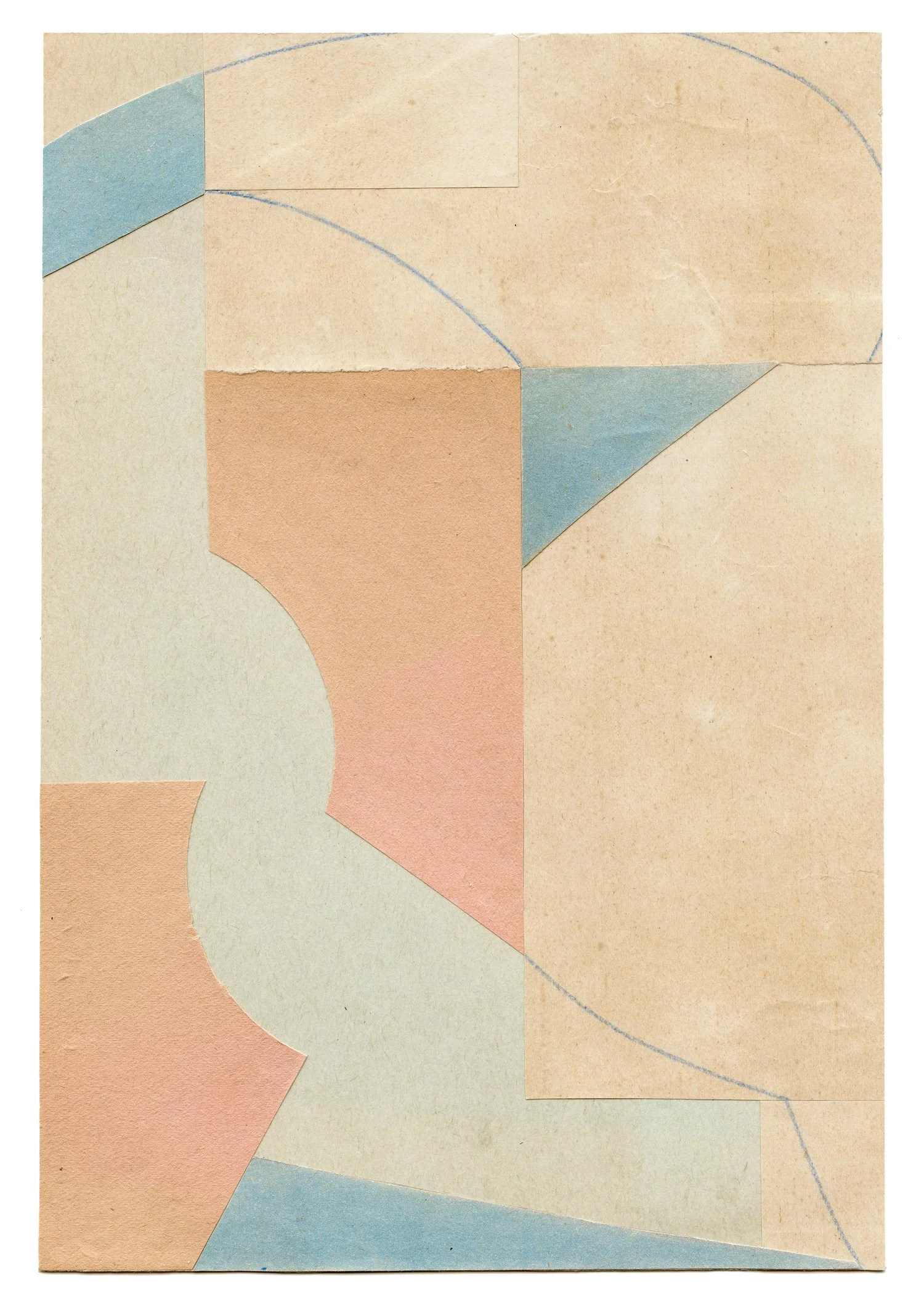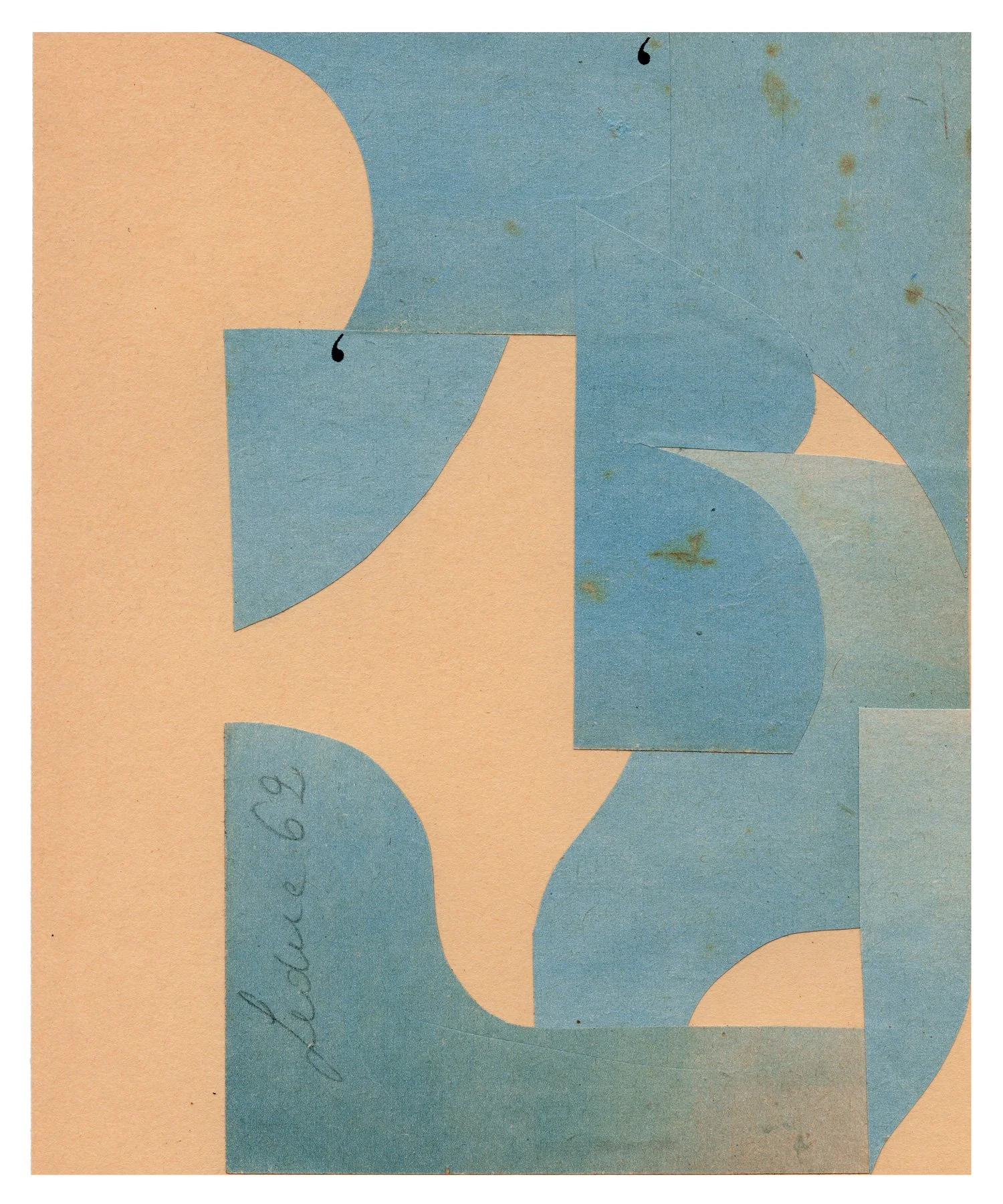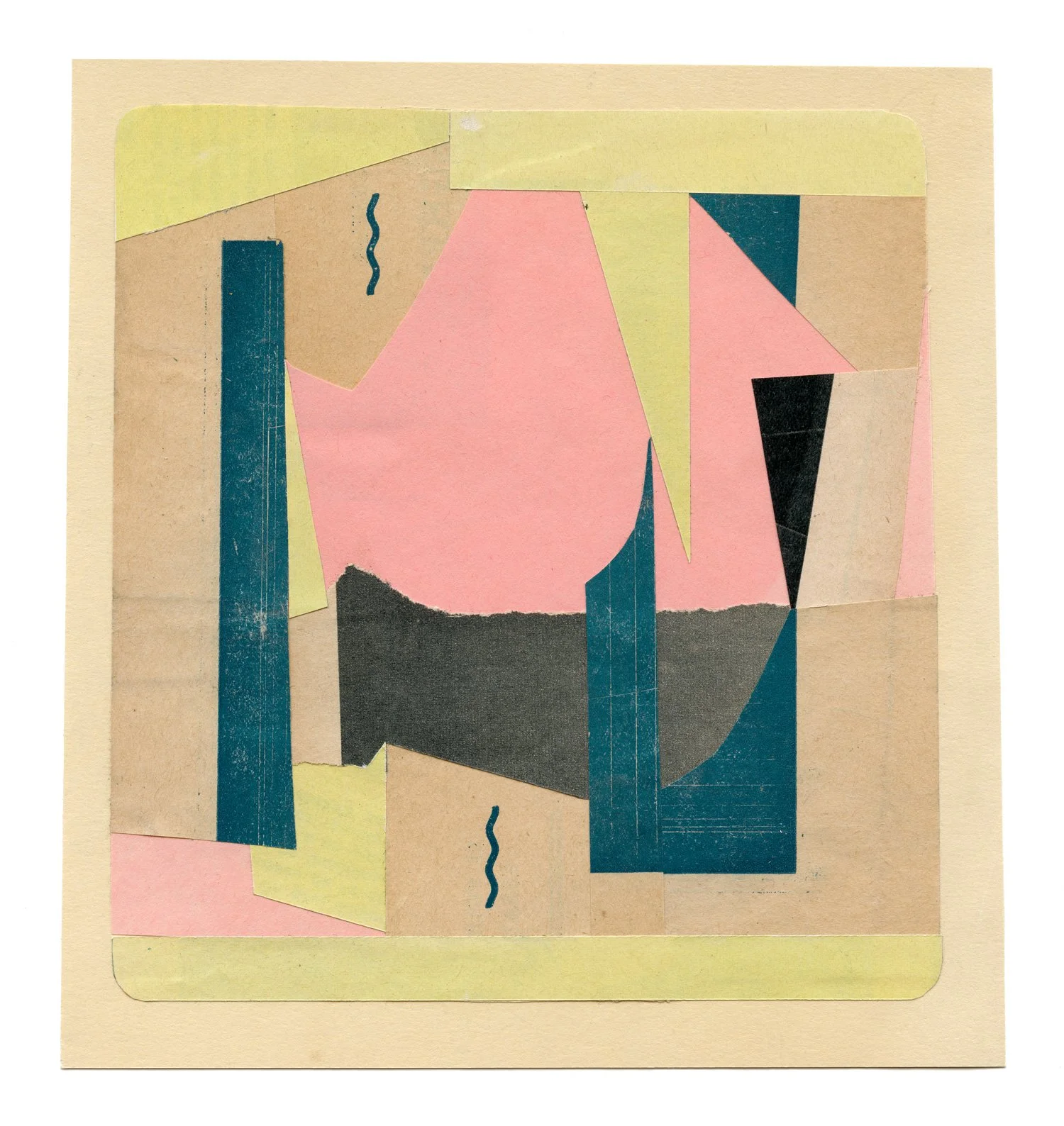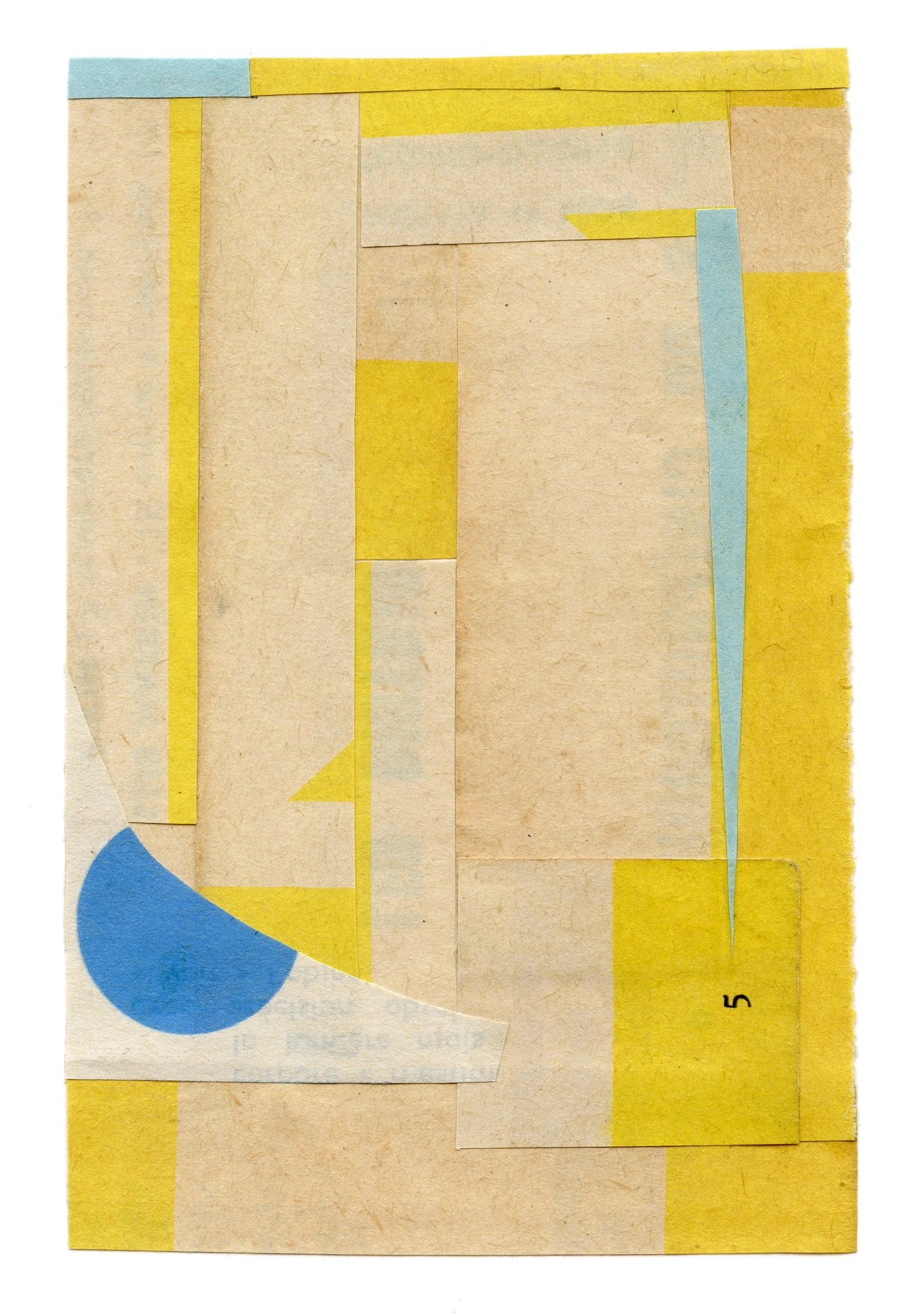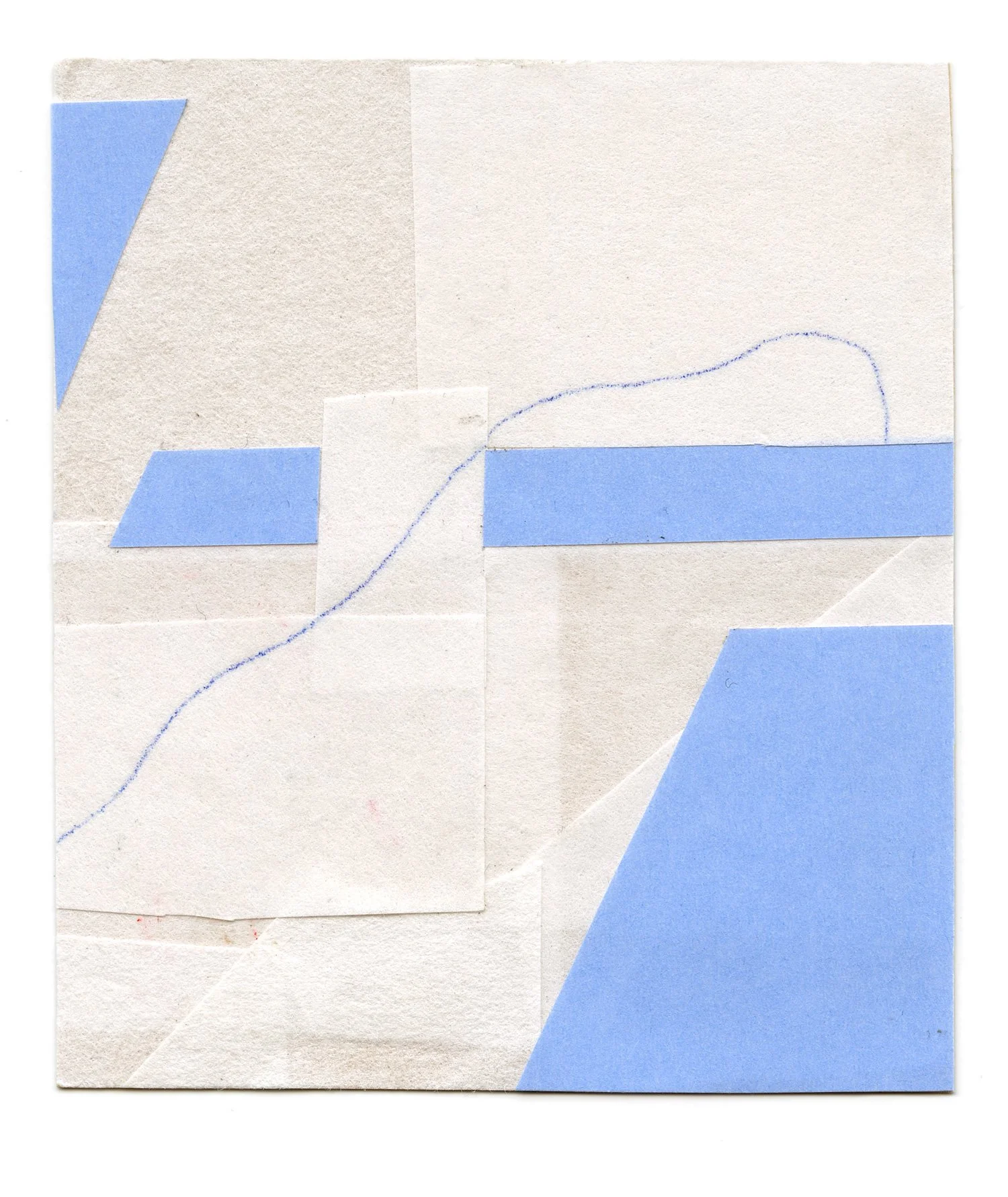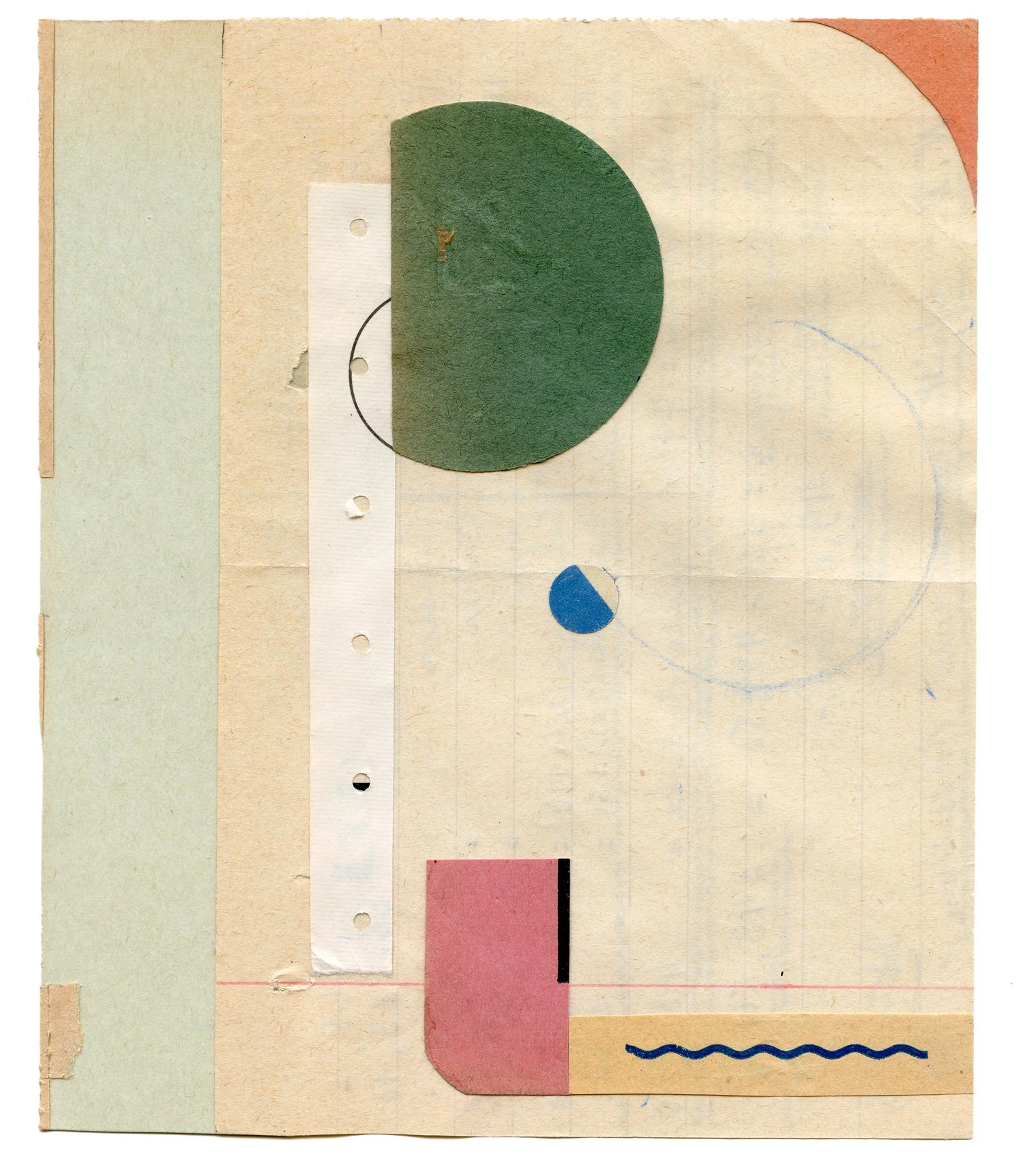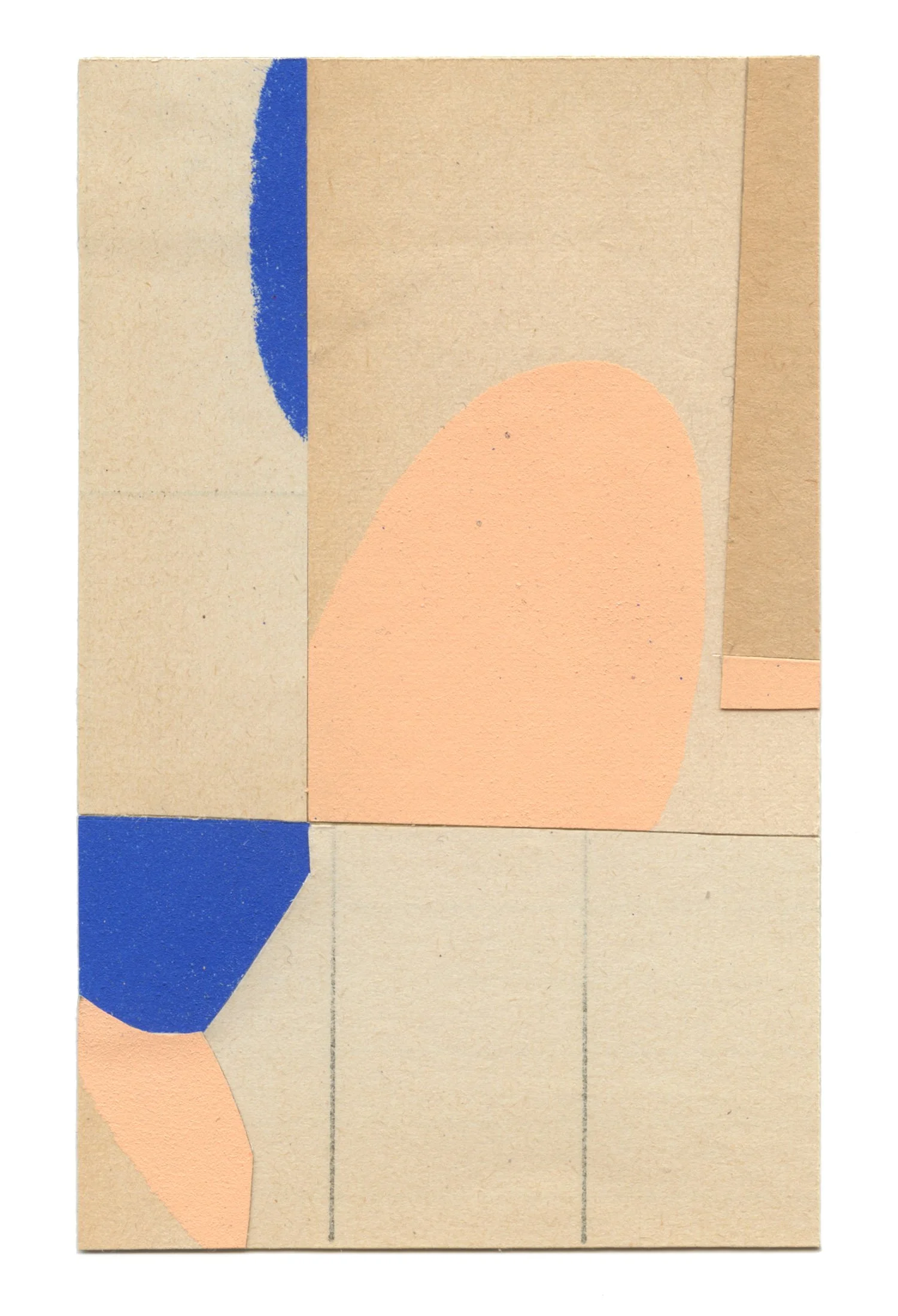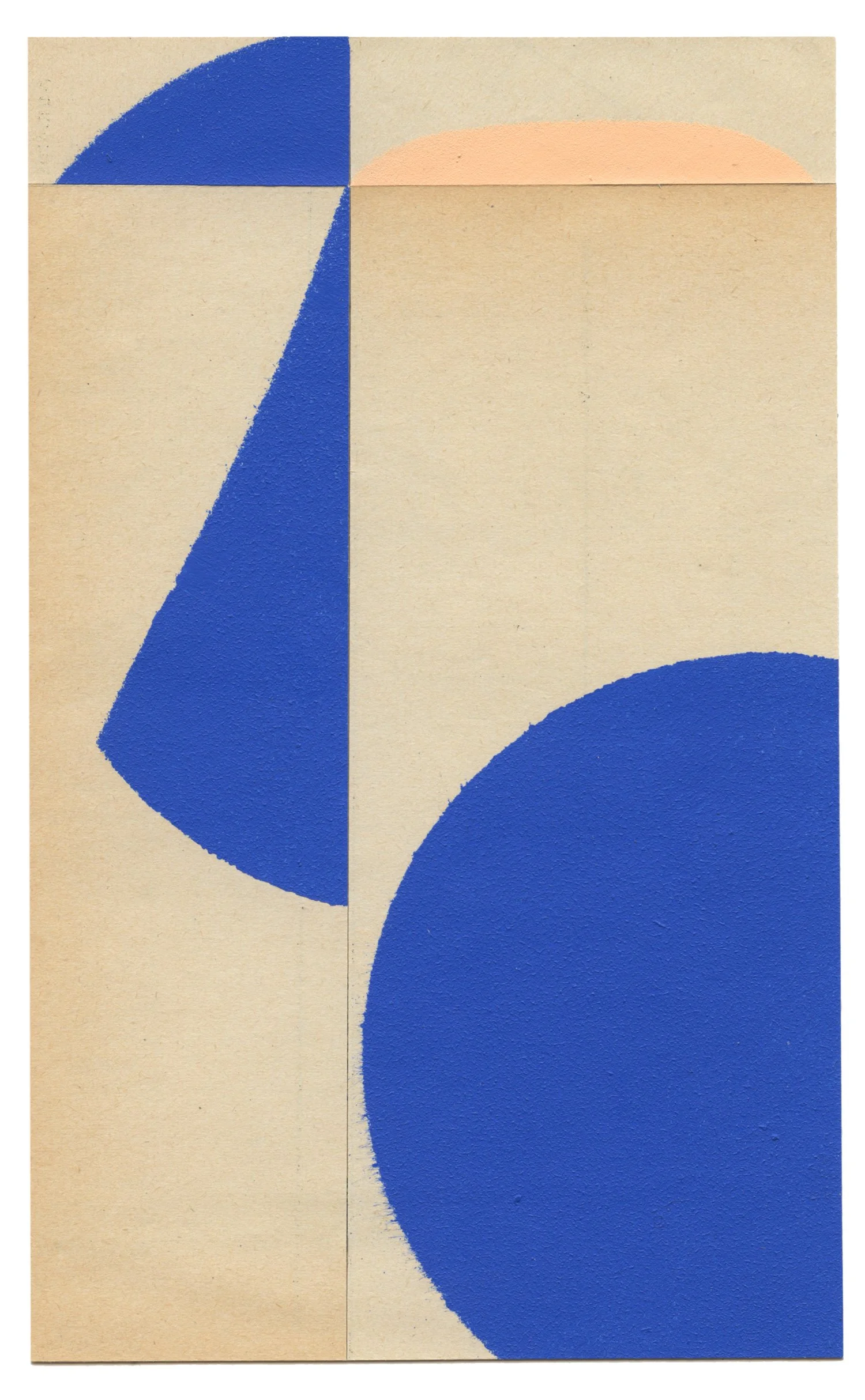
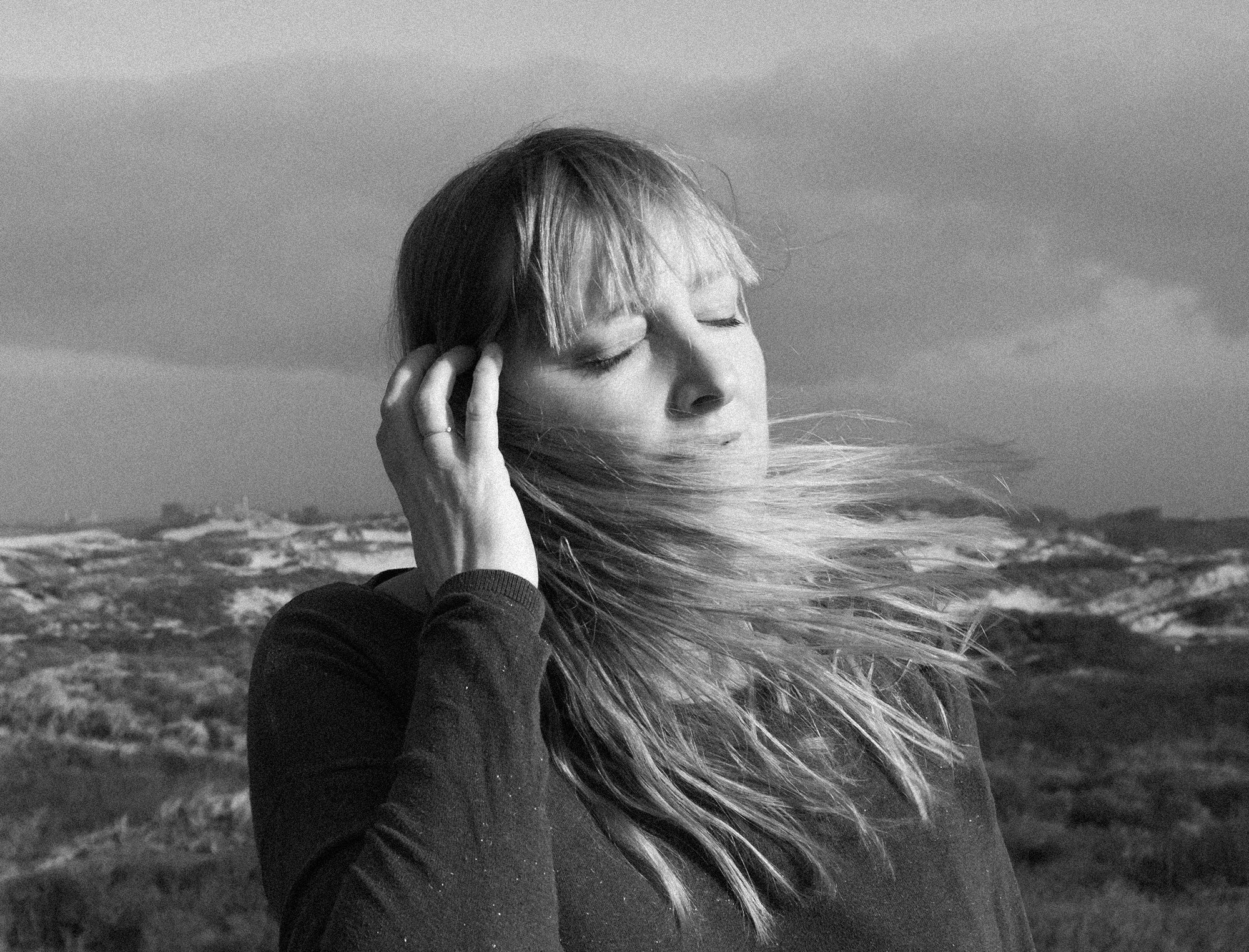
“In those moments, collage feels like a dance or a meditation. Coincidence and intuition play a big role in this process, and that’s part of the magic, you’re almost always surprised by what emerges.”
— Jelle Van Den Heede, 2026
1) LOCATION?
I live and work in a small town near Ghent, Belgium 🇧🇪
2) HOW MANY YEARS HAVE YOU BEEN WORKING WITH COLLAGE?
Almost eight years ago, my best friend introduced me to collage. He challenged me to join a project he was organising. I started with digital collages; it felt safer, since there’s no undoing a mistake when you cut into the material. Pretty soon after, I tried the analogue approach, and to my surprise, it felt instantly familiar and liberating. I’ve been hooked ever since.
Reflecting on it now, I realise why it felt so natural: just before everything went digital, I studied graphic design in art school. We created posters and designs using copy machines, scissors, and glue; cutting and pasting typography, images, and shapes. Collage brings me right back to that era, before computers took over. It hits me now: I’ve been doing this cutting and pasting long before I ever called it collage.
3) WHY IS COLLAGE AN APPEALING MEDIUM?
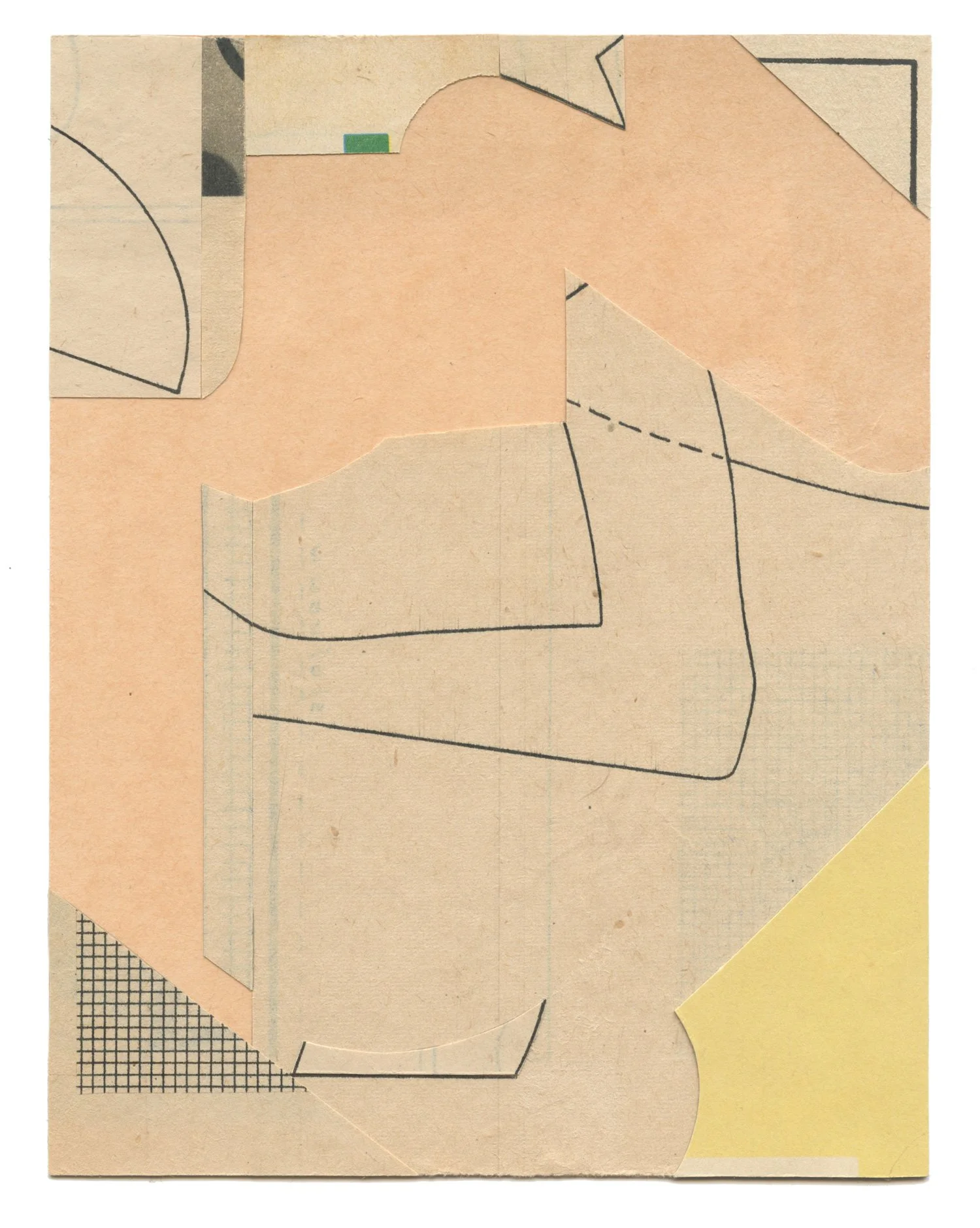
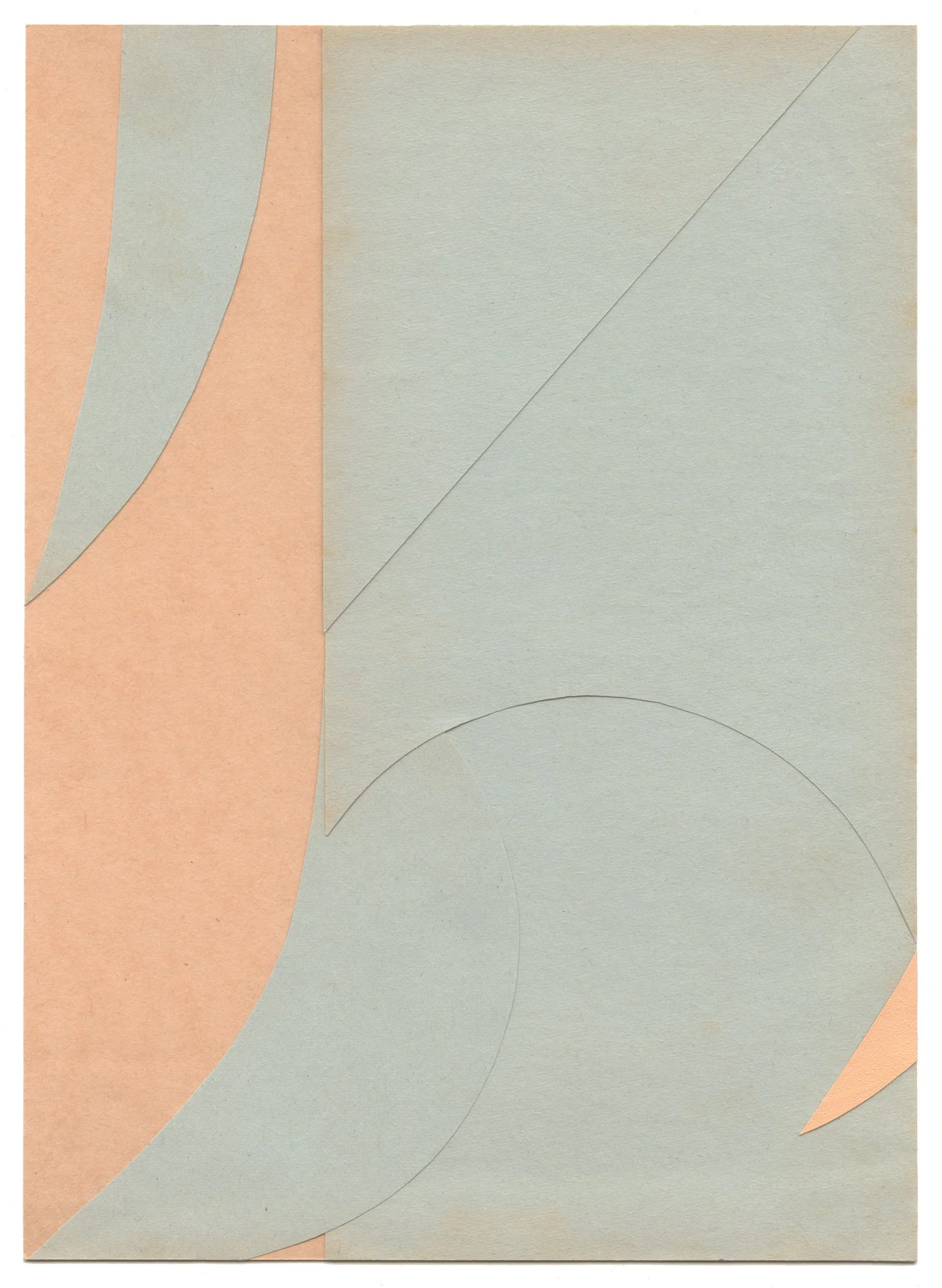
For me, collage is a way to express myself, like writing poetry, but with images, colors, shapes, and visual elements instead of words. In my work, lines, colors, and shapes become the carriers of a fragile personal language.
Collage is more than a technique to me; it’s a way of thinking, observing, feeling, and expressing. I’m drawn to the invisible: traces of time, small details, everyday elements, lost objects. Each piece carries its own history, but when I isolate it from its original context and place it in new connections, it takes on fresh meaning.
I also love collage because it pulls me into a state of flow, a kind of hyperfocus. When I cut and paste, my mind goes quiet, and only the present moment matters. In those moments, collage feels like a dance or a meditation. Coincidence and intuition play a big role in this process, and that’s part of the magic; you’re almost always surprised by what emerges. Through intuition, I guide the pieces until image and meaning organise themselves into a new, balanced rhythm.
My work balances between simplicity and layering, between balance and subtle tension. Meaning doesn’t come from searching for it; it’s fluid, shifting with every perspective.
4) WHO ARE THE BIGGEST INFLUENCES?
My inspiration comes from life itself. Nature, and how human traces in nature appear. Architecture, design, photography. I find a lot of inspiration in wandering around physically; exploring the world, cities, nature and mentally; daydreaming, philosophising, writing, ….
I also like photography very much. When I take photographs, I work in the same way as when I make collages. I go closer and look for traces, for details that we normally overlook or pass by so easily in our hasty lives.
5) ANALOG VS DIGITAL, WHAT ARE THE PROS & CONS OF EACH?
At first, I started digitally because the idea of cutting up images with their own history felt intimidating. I worked with beautiful old magazines and photographs, and I felt a responsibility toward the images and the photographers who created them. But the digital approach quickly bored me, endless possibilities made it easy to lose myself for hours, arranging and rearranging pieces. My perfectionism became a block, and the safety net of undoing every mistake made it too comfortable.
Now and then, I still use the computer when I’m stuck on a composition. I’ll scan all the pieces and experiment with different layouts in Photoshop until I find the right one. Then, I glue everything together by hand. This method is especially helpful when I need to create a poster with typography.
For me, the analogue process has a different dimension; it’s on another level entirely. You have to be fully present, working with the choices you’ve made. There’s less room for doubt or overthinking. You look closely, decide where to cut, and accept the consequences. This way of working has taught me to let go. I rarely start with a concept or a plan, unless I’m working on a specific assignment.
What I’ve found is that something always emerges as I work, an idea unfolds the moment I open up to it. I’m still a perfectionist, but I trust the process. The perfection lies in the result: clean cuts, seamless pasting, and the harmony of colors and shapes until an image is born, perfectly balanced. Intuitively, I know when to stop.
6) WHAT ARE THREE TIPS FOR SOMEONE STARTING OUT IN COLLAGE?
Just go for it. Anyone can do collage, you just have to jump in. I always start by leafing through old magazines, cutting out any pages that catch my eye. From there, I move forward by selecting pieces or shapes, then cutting them up further.
No overthinking, just quick decisions. To help with this, try setting limits: give yourself 5 minutes to find material, or only tear or fold paper instead of cutting. Work with just a few colors or shapes, maybe only circles, triangles, or squares.
Embrace the unexpected. If something goes wrong, turn it into an advantage. Rethink your image and see where the mistake takes you.
7) HOW DO YOU SPEND YOUR DOWNTIME?
I love being in nature, wandering, taking photos, and observing. I also keep an eye out for objects that don’t belong there, collecting them to use in my 3D assemblages. Music, inspiring films, documentaries and expositions also fuel my creativity.
8) WHERE DO YOU SEE YOUR ART PRACTICE HEADING?
Currently, I’m creating assemblages, a combination of found and handmade objects, arranging them into handmade moving objects (mobiles) and small sculptures. I’m preparing for an exhibition of these small 3D objects, it’s invigorating to explore how they move and relate to the space around them, to observe how the sunlight captures them differently from every angle. In the future I want to work more in 3D. Also I would love to start painting more.
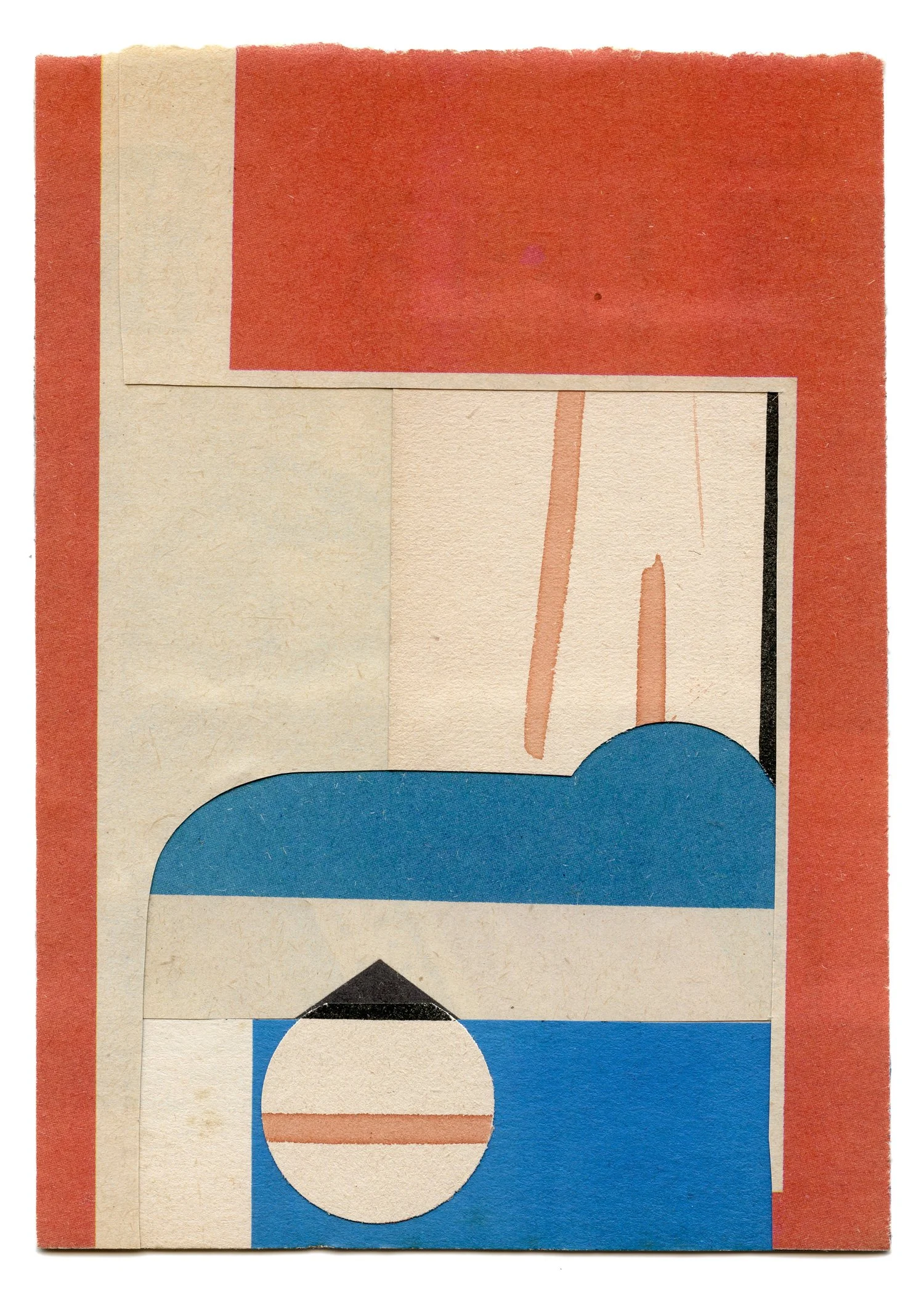
‘The drop’ Ink on handmade collage, 9,5 x 13 cm, 2022.
9) WHICH THREE ARTISTS SHOULD WE CHECK OUT?
I chose three female Belgian artist that are very inspiring to me.
Camille Truyffaut (BE): Her work makes me daydream. Her use of materials, colours and techniques is sensitive, feminine, very spiritual and inspiring. Very versatile artist who uses collage, ceramics, jewellery, performance, …
Lien Buysens (BE): Her work feels familiar because she draws inspiration from everyday objects such as jugs, bowls, flowers, and kitchen utensils. These forms are abstracted into lines, colours, and planes. By observing her immediate surroundings again and again, she seeks to capture their essence in an image.
Babs Decruyenaere (BE): Her work is very intuitive and her inspiration comes from nature. I love her monumental mobiles.
10) WHAT MUSIC ARE YOU LOVING RIGHT NOW?
AÔ is a Belgian band i’m listening to at the moment. Ão is pronounced like meow without the me. An enchanting blend of electronica, art pop, Afropop, saudade and alternative Latin and a boundary. If I need to focus I love listening to the music of Emahoy Tsegué-Maryam Guèbrou, it brings me in a state of calm concentration.
11) ANY UP-AND-COMING EXHIBITIONS OR PROJECTS WE SHOULD KNOW ABOUT?
September 2026: A solo exhibition with my mobiles at Huize ST-Bonaventura, Ghent, Belgium.
22-25 Oktober 2026: A group show with artists Joris van Oosterwijk, Laura Vanborm and Hanne Lamon at Show Show DIY-gallery, Ghent, Belgium.
See more 👀
Instagram:@jelle.vandenheede
jellevandenheede.com